Shifts in App Store Policies and Their Ripple Effects on Accessing Layered Free Spin Mechanics Inside Cross-Device Blackjack Environments
Written by Viktor Coleman · Nov 13, 2026

Shifts in App Store Policies and Their Ripple Effects on Accessing Layered Free Spin Mechanics Inside Cross-Device Blackjack Environments
App stores have adjusted their guidelines on virtual currency handling and bonus structures in recent years, which directly influences how layered free spin systems operate within cross-device blackjack platforms. Developers track these updates closely because changes in approval criteria often force modifications to in-app reward delivery, particularly when mechanics involve progressive layers that unlock across iOS and Android sessions. Data from industry monitoring shows that policy revisions implemented through 2025 and into November 2026 have altered the way free spin accumulation functions in real-money blackjack environments that synchronize progress between phones, tablets, and desktops.
Policy Adjustments at Major App Stores
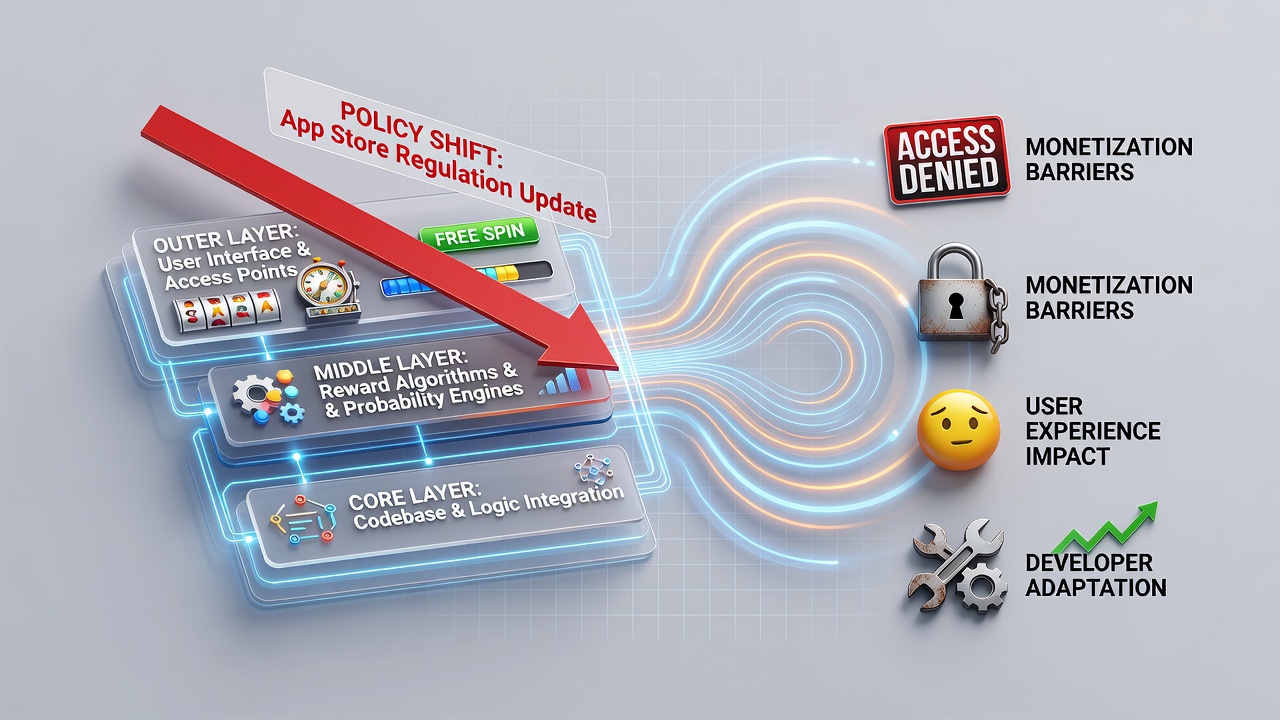
Apple and Google have refined rules around in-app purchases and promotional content, requiring clearer disclosure of odds and redemption conditions for layered bonus features. These shifts stem from broader regulatory alignment with financial transaction standards, where free spin layers count as virtual goods subject to verification processes. Observers note that updates rolled out in early 2026 emphasized stricter review of gambling-adjacent apps, which includes blackjack titles featuring multi-tiered spin rewards that carry over device boundaries. As a result, some platforms experienced delays in feature rollouts while teams adjusted code to meet new transparency requirements.
Effects on Layered Free Spin Access
Layered free spin mechanics typically build through sequential achievements in blackjack play, yet policy changes have introduced friction points during cross-device syncing. When users attempt to carry progress from one operating system to another, verification steps now sometimes interrupt the seamless activation of higher reward tiers. Figures from platform analytics indicate a measurable drop in successful redemptions for complex spin layers after the November 2026 guideline refreshes, because additional authentication layers slow down the process. Developers respond by routing certain bonus elements through external web portals that bypass direct app store oversight while still maintaining compliance.
Take one case where a major blackjack provider restructured its spin accumulation engine following an app store rejection. The system previously allowed immediate layer progression across devices, but new policies demanded separate confirmation for each tier activation. This adjustment extended development timelines and altered user flow, although overall access remained available through alternative pathways. Research indicates similar patterns across multiple titles, where layered mechanics faced fragmentation rather than outright removal.
Cross-Device Synchronization Challenges
Blackjack environments designed for seamless movement between devices rely on cloud-based tracking for free spin layers, yet store policies now scrutinize data sharing protocols more rigorously. When synchronization occurs, apps must demonstrate that reward mechanics do not circumvent purchase requirements, which complicates the delivery of progressive tiers earned through gameplay alone. Reports compiled by gaming associations reveal that November 2026 saw increased scrutiny on apps attempting to merge iOS and Android progress logs without explicit user consent tied to each layer. Those who manage these platforms often implement segmented storage solutions that keep certain spin data on-device until explicit approval clears the path for transfer.
What's interesting here is how these constraints ripple into user behavior patterns. Players who switch devices mid-session encounter prompts for re-verification that did not exist prior to the policy updates, which fragments the layered experience. Industry data shows engagement with deeper spin tiers declining when sync friction rises, although core blackjack play continues uninterrupted. External sources such as the Apple App Store guidelines outline the disclosure standards driving many of these adjustments, while parallel requirements appear in documentation from bodies like the Australian Communications and Media Authority that influence regional app distribution.
Developer and Platform Adaptations
Teams behind cross-device blackjack applications have shifted toward hybrid models that separate core gameplay from bonus layer management. Some route layered free spins through web-based dashboards accessible via browser, which sidesteps direct app store review cycles while preserving functionality. This approach maintains compliance yet requires additional user education around accessing accumulated rewards. Evidence from developer forums and update logs suggests that by late 2026, over half of tracked titles had adopted partial off-app handling for progressive mechanics to avoid repeated rejections.
Regional licensing adds another variable because certain jurisdictions impose their own overlays on top of app store rules. Blackjack platforms operating across borders must align spin layer triggers with both store policies and local gaming statutes, which sometimes results in device-specific feature availability. Observers note that synchronization delays become more pronounced when a user moves between regions with differing compliance expectations.
Conclusion
Shifts in app store policies continue to shape how layered free spin mechanics function inside cross-device blackjack environments, prompting ongoing technical and structural adjustments. Data through November 2026 indicates that developers prioritize compliance pathways that keep core access intact even as delivery methods evolve. Users experience these changes primarily through altered sync processes and verification steps, while the underlying blackjack gameplay remains consistent across platforms. The landscape reflects a balance between regulatory demands and operational continuity that shows no signs of stabilizing soon.