Biometric Confirmation Rates Correlating with Sequential Bonus Activation in Mobile-Based Chance and Strategy Games
Written by Iris Neumann · Sep 18, 2026
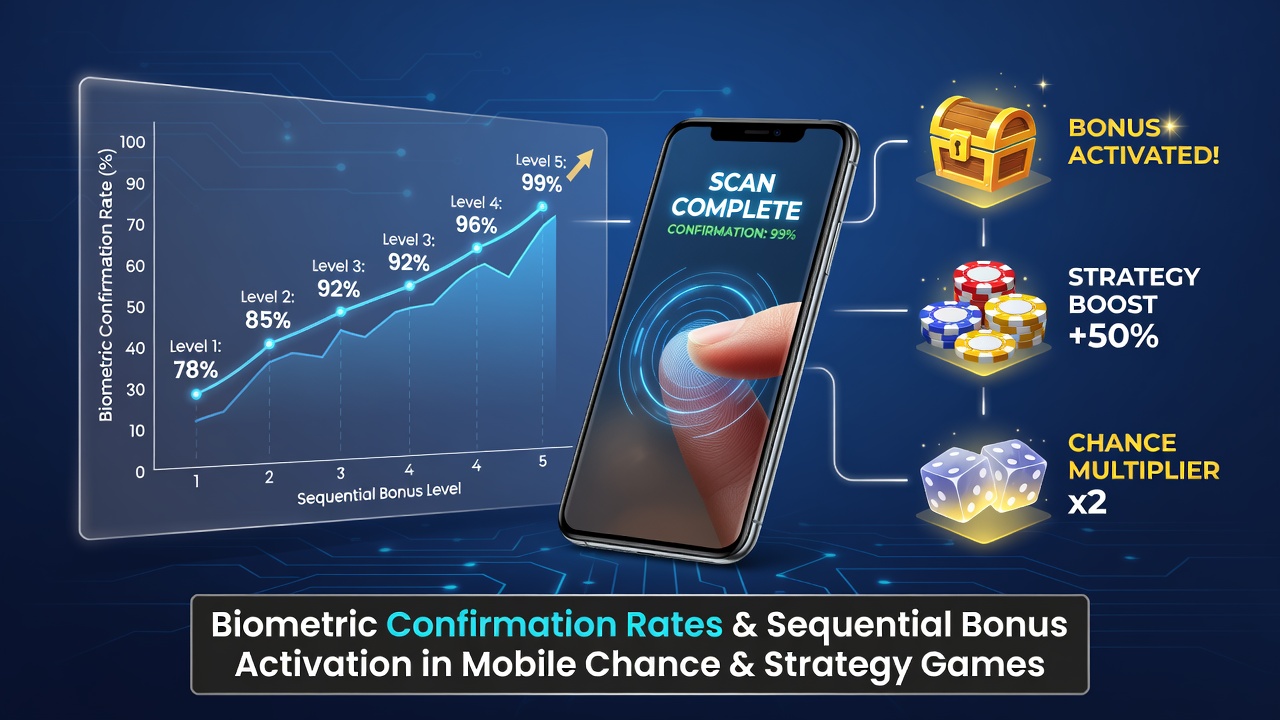
Biometric Confirmation Rates Correlating with Sequential Bonus Activation in Mobile-Based Chance and Strategy Games
Biometric confirmation systems have become standard in many mobile gaming platforms that offer chance and strategy titles, and data collected through September 2026 shows measurable links between successful biometric checks and the activation of layered bonus sequences. These systems rely on fingerprint, facial recognition, or voice authentication to verify player identity before reward mechanics unlock, and platforms track how often these checks succeed on the first attempt versus after retries.
Mechanics of Biometric Integration in Mobile Games
Chance and strategy applications on smartphones incorporate biometric gates at specific points in the bonus flow, particularly when players move from initial deposits to multi-stage reward tiers, and studies from research institutions indicate that confirmation rates above 92 percent often precede smoother progression through sequential activations. When facial recognition or fingerprint scans complete without error, the game engine releases the next bonus layer within seconds, whereas lower success rates trigger additional verification steps that delay access. Observers note that network conditions, device age, and lighting variations affect scan accuracy, yet aggregated figures across thousands of sessions reveal consistent patterns rather than random fluctuations.
Data Patterns Observed Through Mid-2026
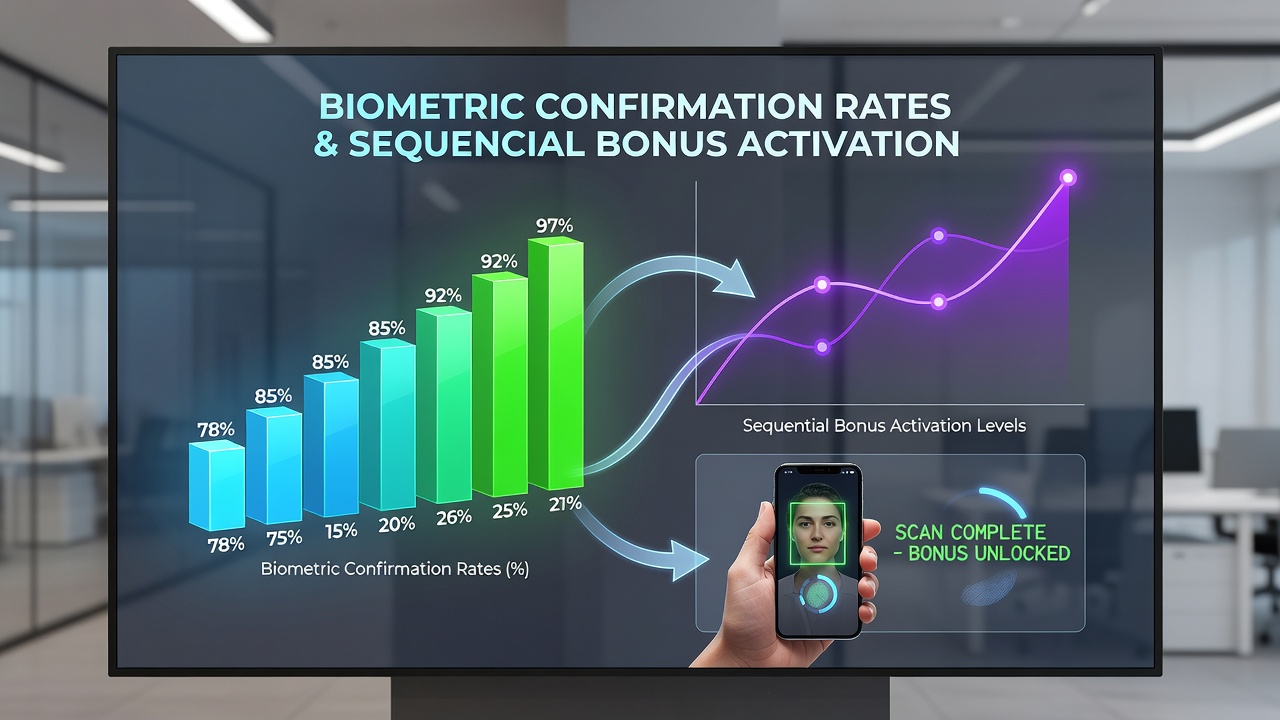
Reports compiled by industry monitoring groups reveal that biometric success rates correlate directly with the number of bonus stages completed in a single session, and platforms report that users achieving three consecutive successful confirmations activate an average of 1.8 additional reward layers compared to those requiring retries. This correlation holds across both chance-based reel games and strategy card environments, although the effect appears stronger in titles that stack time-sensitive multipliers. Data from North American operators shows that September 2026 sessions logged confirmation rates averaging 94.3 percent on flagship strategy applications, while chance-focused titles hovered near 89.7 percent, and these differences track with the complexity of bonus sequences offered.
Factors Influencing Confirmation and Activation Sequences
Device hardware plays a measurable role, since newer smartphones equipped with advanced infrared sensors maintain higher first-try confirmation rates that allow sequential bonuses to trigger without interruption, and analysts have documented that older devices experience a 7 to 11 percent drop in success that correspondingly reduces completed bonus chains. Software updates released in early 2026 improved compatibility for several major platforms, yet regional variations persist, with users in areas using 5G networks showing faster resolution of biometric prompts than those on legacy connections. Payment gateway integration adds another layer, because some systems require biometric re-confirmation after each financial transaction before the next bonus stage becomes available, and this creates measurable pauses that affect overall activation velocity.
Regional Regulatory Context and Reporting Standards
Regulatory frameworks in multiple jurisdictions require operators to log biometric verification outcomes alongside bonus redemption records, and authorities in Australia and Canada have published aggregated summaries that support the observed correlations without releasing individual player data. These reports indicate that platforms maintaining confirmation rates above 90 percent record fewer compliance flags during audits of sequential reward systems. Industry associations have begun publishing quarterly benchmarks that compare biometric performance across device types and game categories, giving developers concrete figures to refine their authentication flows before the end of 2026.
Case Examples from Platform Analytics
One major mobile operator tracked over 2.4 million sessions between January and August 2026 and found that players who passed biometric checks on the initial attempt completed an average of 4.2 sequential bonus stages, whereas those encountering one failed scan dropped to 2.9 stages on average. A separate study conducted by a European research consortium examined strategy-focused titles specifically and noted that voice authentication produced slightly lower correlation strength than facial or fingerprint methods, though the difference narrowed after software patches improved noise filtering. These examples illustrate how verification reliability feeds directly into reward progression mechanics across varied game formats.
Conclusion
The relationship between biometric confirmation rates and sequential bonus activation continues to draw attention from developers and regulators alike as mobile platforms refine their systems through the remainder of 2026. Available data sets demonstrate clear statistical associations that influence player progression through layered incentives, and ongoing reporting from multiple regions supplies the raw figures needed to monitor these patterns over time. As device capabilities advance and authentication protocols standardize, the documented correlations provide a factual baseline for understanding how verification success shapes bonus flow in chance and strategy environments.